Hammer Mill
Input Size: 0-50mm
Capacity: 8-70T/H

HM series hammer mills are a new generation of grinding equipment for producing 0-3mm coarse powder. This mill adopts a partial working priciple of crushers and makes up the disadvantage of uneven particle size of finished products in traditional coarse powder mills. Now, it has become the core equipment for production of coarse powder particles, which are widely used in dry mortar, animal feed, agriculture, construction material, etc.

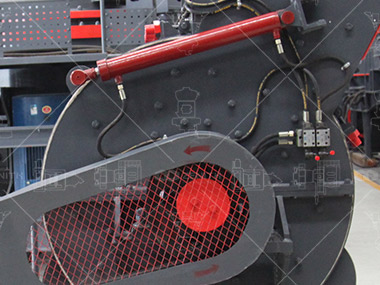
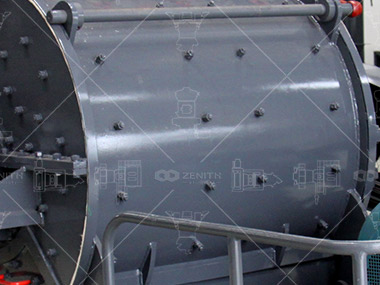
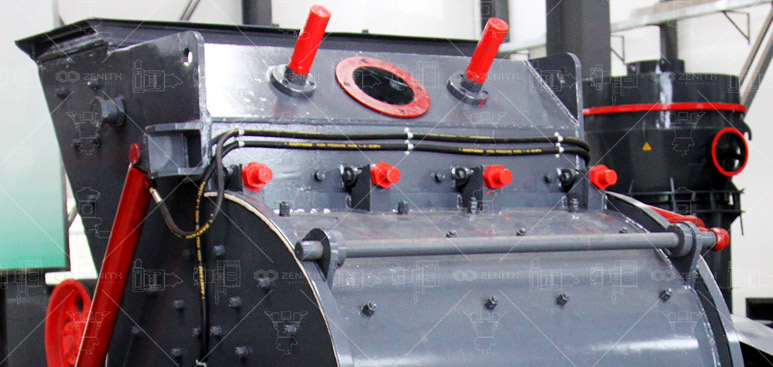
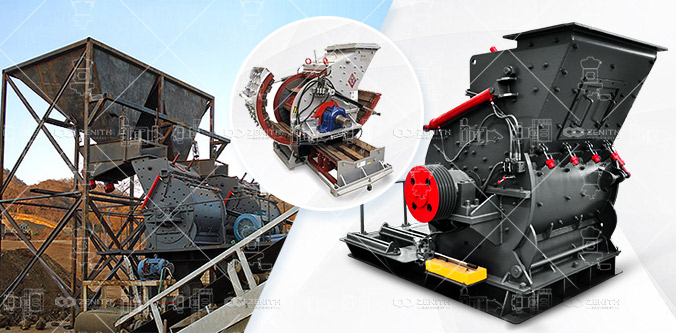
Hammer Mill has the advantages of good grinding performance. It has higher output and grinding ratio.
Hammer Mill has optimized cavity design and unique operating principle. The performance of this mill is excellent and stable.
Hammer Mill has high cost-effective, simple working process. It takes only a little space, saving costs for foundation base.
The casing with high manganese steel lining has higher abrasion resistance and longer service life.
Fineness depends on grinding time, media load and closed-circuit classification. Adjust media, stabilize grinding and use hydrocyclone classification to stabilize it.
Yes. It grinds copper, lead, zinc, gold, iron and other metal ores, a common machine in ore-dressing plants.
Fineness directly affects separation: suitable fineness with good liberation raises recovery in flotation or magnetic separation; insufficient fineness lowers recovery.
Yes. A mining ball mill is designed for beneficiation, grinding crushed ore to suitable fineness, and is the key stage between crushing and separation.
Mineral processing overwhelmingly uses wet grinding, conveying pulp with less dust and suiting subsequent separation; dry grinding is for special processes, so wet is usual.
It is usually paired with hydrocyclones or classifiers: ball-mill discharge goes to classification, qualified pulp enters separation, and coarse particles return to the ball mill, forming a closed loop.
Fill your requirements here, and we'll send the custmized solution and quotation to you by the reserved contact information.
 Online Chat
 Get Price


 Get A Quotation
 Chat Now
 Obter Uma Cotação
 WhatsApp