Raymond Mill
Input Size: 0-30mm
Capacity: 1.2-11T/H
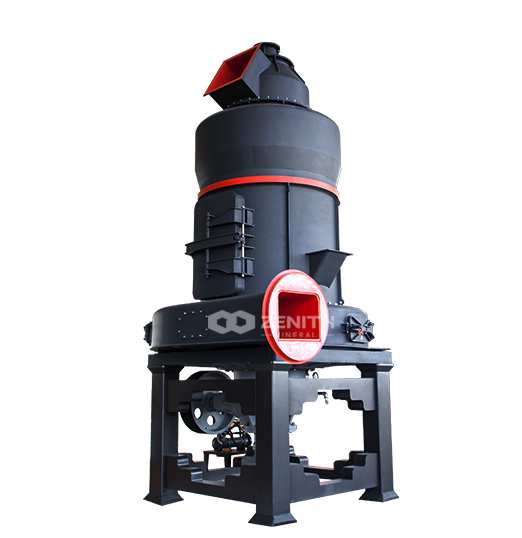
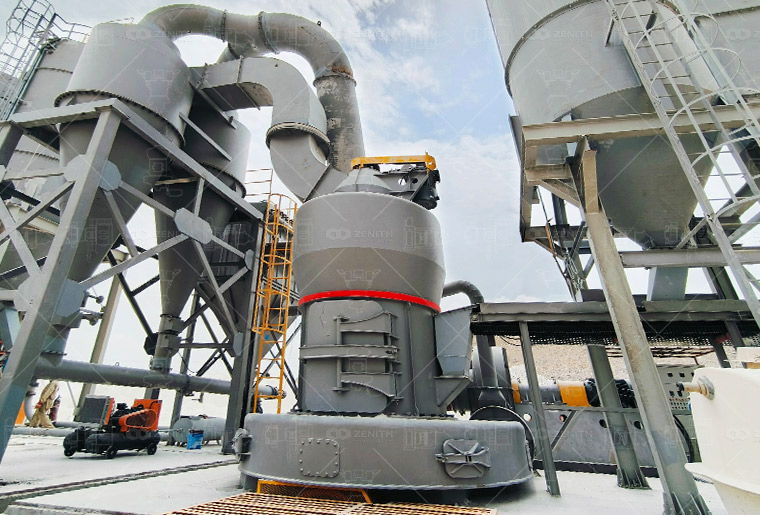
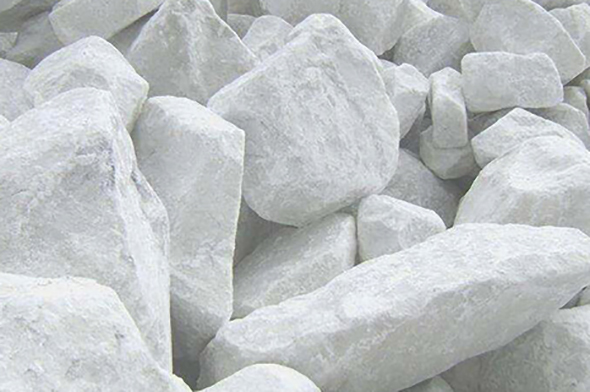
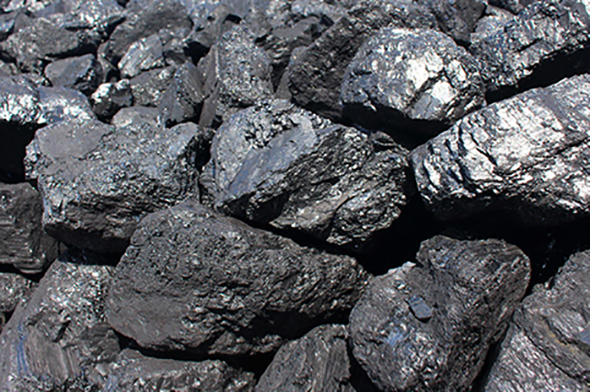
Raymond mill is suitable for preparation of various mineral powder and pulverized coal, also called high-pressure roller mill. After long-term research and development, ZENITH has developed the upgrading products of Raymond Mill. It can better meet current requirements.
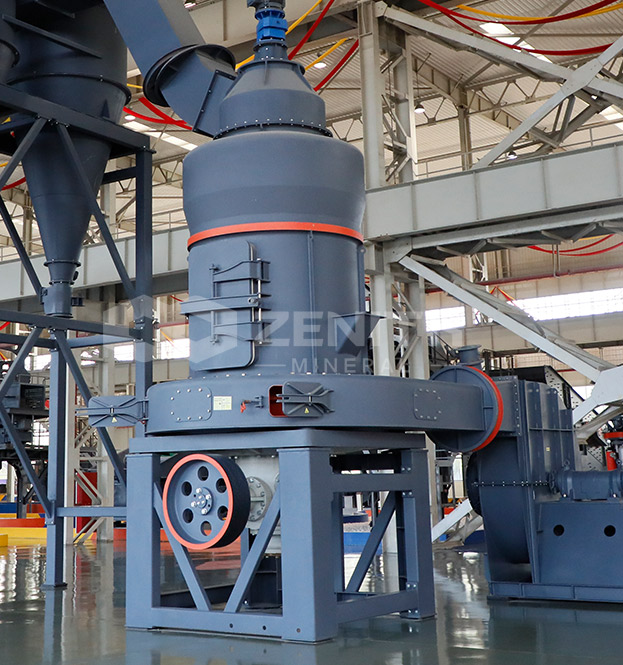
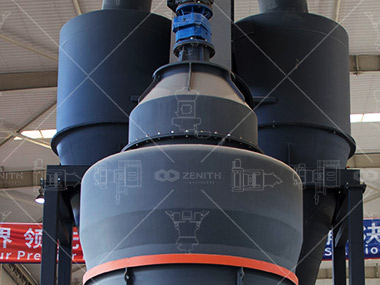
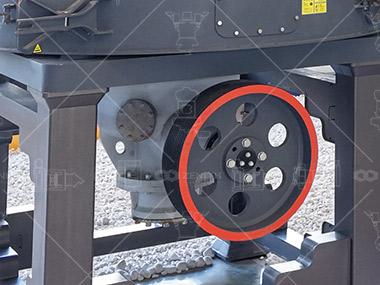
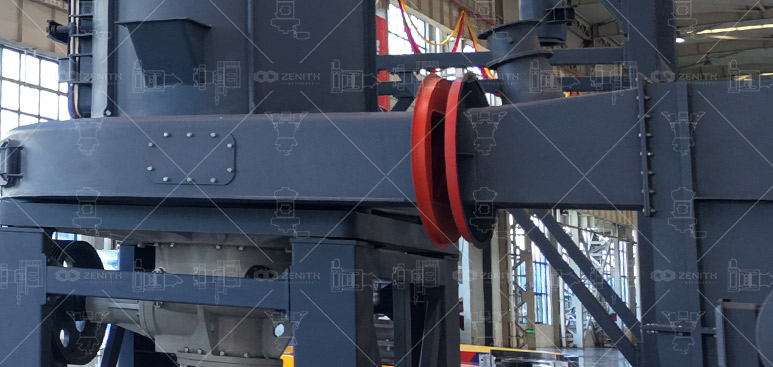
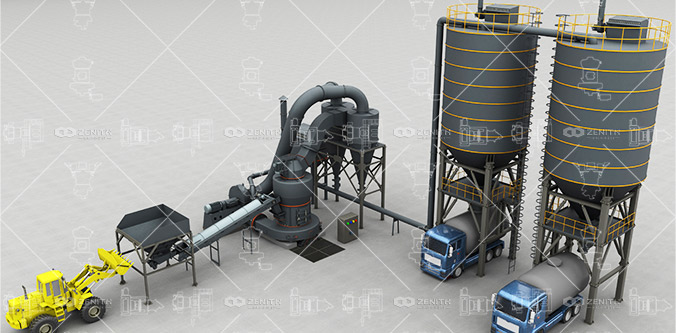
It is an independent product system from primary material to the final powder. However, it covers a small area.
Fineness of the final powder is well-distributed. 99% of them can pass through the screen while other grinding mills may fail to approach.
Important parts adopt high quality steel. Vulnerable parts adopt high quality abrasion-resistant material.
Its electric system adopts intelligent control, so the workshop can realize labor-free work and maintenance, further cutting the operation cost.
The drive systems of ball mills mainly include two types: edge drive and central drive. Edge drive uses gear transmission, which is less costly. Central drive utilizes reducers for transmission, resulting in higher efficiency and more stable operation.
The automated control system enables one-click start/stop of equipment, real-time monitoring of operating parameters, automatic load adjustment, automatic fault detection and recording, as well as statistical analysis of production data. It’s easy to operate and highly reliable.
The rotational speed of the mill cylinder depends on factors such as the mill’s diameter, ball filling rate, and material properties. Typically, 65%-85% of the critical speed is used. Too high or too low a speed can affect the grinding efficiency.
The ball mill is a traditional and essential equipment for grinding cement clinker. It provides stable grinding results and consistent fineness of the finished product. It’s an indispensable component of cement production lines. When combined with a roller press, it forms a combined grinding system that helps reduce energy consumption.
The proportion of steel balls must be determined based on factors such as the hardness of the material, feed particle size, desired fineness, and drum rotation speed. Steel balls of different diameters are typically used in combination. Larger balls are used for impact crushing, while smaller balls are used for grinding. The optimal ratio can be determined through experimentation.
The production capacity of ball mills varies widely, ranging from 0.65 T/H to hundreds of T/H. Different models and specifications correspond to different capacities, enabling them to meet the needs of various applications, from small laboratories to large-scale mines and cement plants.
Fill your requirements here, and we'll send the custmized solution and quotation to you by the reserved contact information.
 Online Chat
 Get Price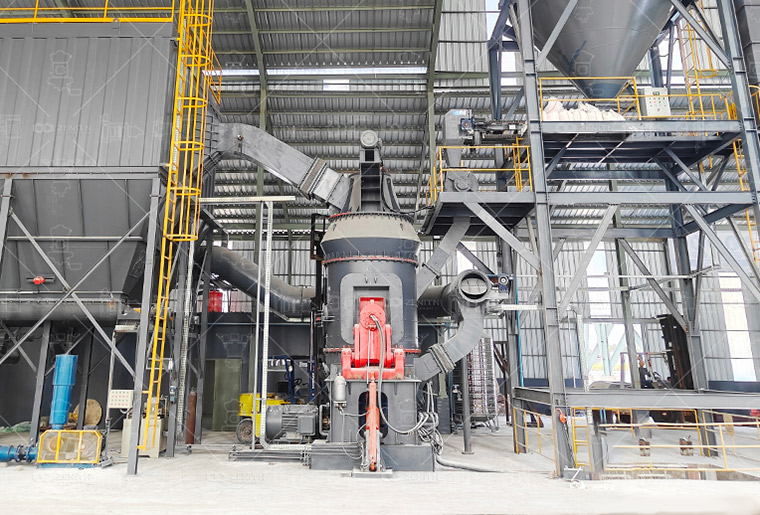
 Get A Quotation
 Chat Now