XZM Ultrafine Grinding Mill
Input Size: ≤20mm
Capacity: 0.5-25 T/H
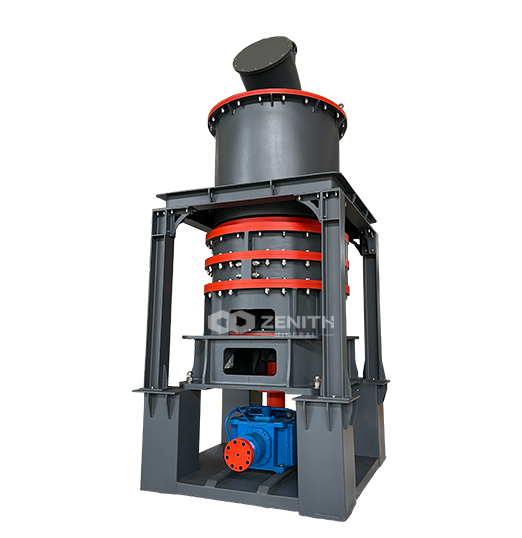
XZM series ultrafine mill are a ideal milling machine with advanced technology, which could produce 325mesh to 3000mesh with single classification. Its inner structure is relatively simple, which compromises the less downtime and easy for maintenance. The classifier is equipped with VFD to easy adjust the rotary speed of classification rotor, which makes convenient to get the requested powder size by setting on electric control panel. The produced mineral powders are widely used in paint, PVC, plastic, paper, chemical industries.
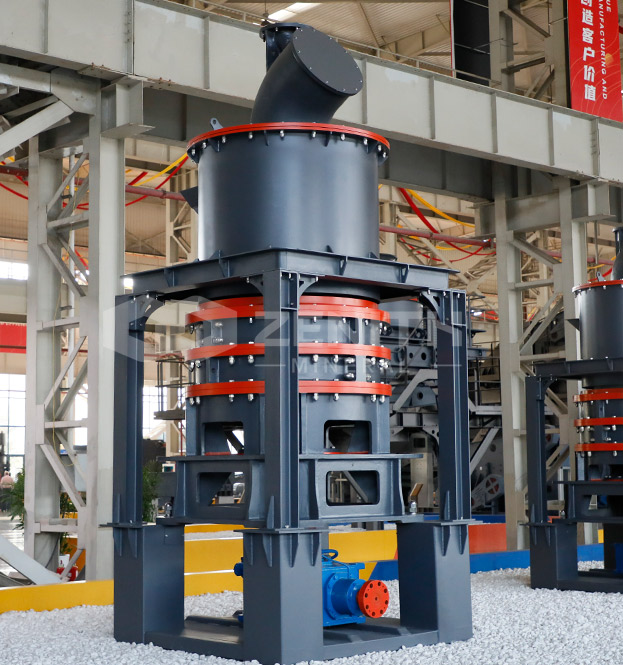
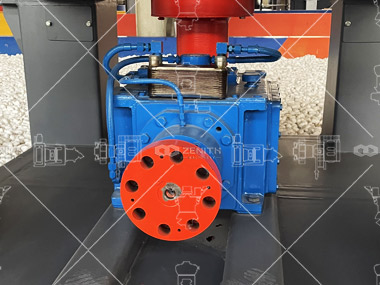
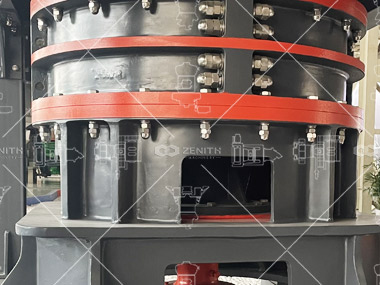
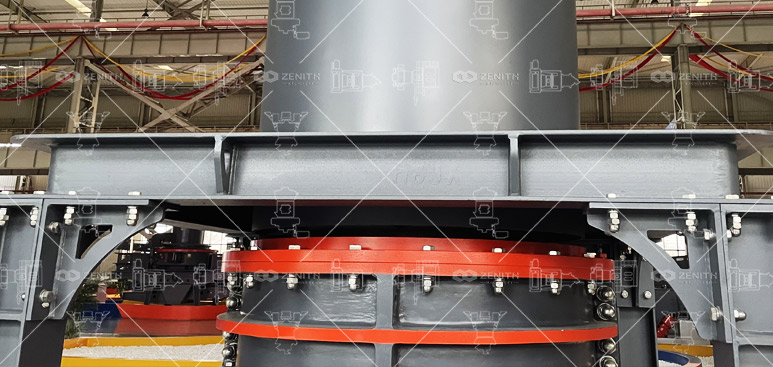
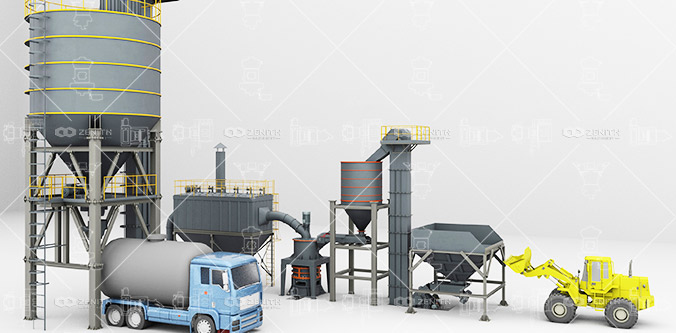

The product fineness of XZM Ultrafine Grinding Mill can be adjusted arbitrarily between 325 meshes and 2500 meshes, and can reach D97 < 5 micron at one time.
To produce same powder under the same power, the XZM is 40% higher on efficiency and 70% lower on energy consumption than air-flow mill and stirring mill.
There are no rolling bearings and screw in the grinding chamber. There is no problem of bearing and seal vulnerability and the hidden danger of screw loosening destroying.
XZM Ultrafine Grinding Mill adopts high-efficiency pulse dust collector and muffler. It has no dust pollution and noise pollution and fully meets the national environmental protection standards.
Fineness depends on grinding time, media load and closed-circuit classification. Adjust media, stabilize grinding and use hydrocyclone classification to stabilize it.
Yes. It grinds copper, lead, zinc, gold, iron and other metal ores, a common machine in ore-dressing plants.
Fineness directly affects separation: suitable fineness with good liberation raises recovery in flotation or magnetic separation; insufficient fineness lowers recovery.
Yes. A mining ball mill is designed for beneficiation, grinding crushed ore to suitable fineness, and is the key stage between crushing and separation.
Mineral processing overwhelmingly uses wet grinding, conveying pulp with less dust and suiting subsequent separation; dry grinding is for special processes, so wet is usual.
It is usually paired with hydrocyclones or classifiers: ball-mill discharge goes to classification, qualified pulp enters separation, and coarse particles return to the ball mill, forming a closed loop.
Fill your requirements here, and we'll send the custmized solution and quotation to you by the reserved contact information.
 Online Chat
 Get Price


 Get A Quotation
 Chat Now
 Obter Uma Cotação
 WhatsApp