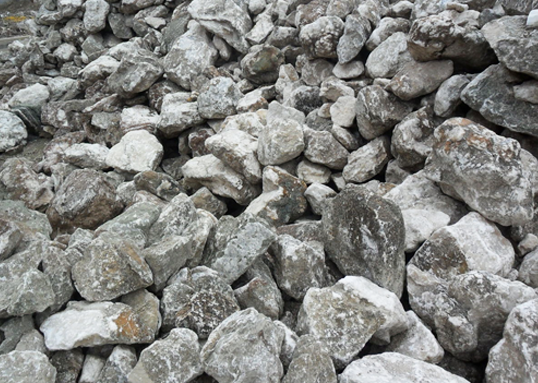
Also known as chemical gypsum or synthetic gypsum, industrial by-product gypsum refers to solid waste and industrial by-products precipitated through chemical reactions in chemical, power generation and other production procedures, with calcium sulfate dihydrate (CaSO₄·2H₂O) as its major component. Different from naturally mined rock gypsum, it is a typical recyclable industrial solid waste.
Driven by the dual incentives of the carbon peaking and carbon neutrality strategy as well as policies on the comprehensive utilization of bulk solid waste, industrial by-product gypsum with an annual output exceeding 280 million tons is gradually transforming from end of process industrial residue into a vital recyclable resource.
Industrial by-product gypsum is generated as a by-product from chemical reactions in diverse
industrial manufacturing workflows. All types are predominantly composed of hydrated calcium
sulfate. Nevertheless, disparities in production techniques and raw‑material sources bring
fundamental differences in purity, impurity composition, crystal morphology and moisture content.
Such properties directly determine its applicable recycling approaches, processing difficulty and
economic value.
Desulfurization gypsum and phosphogypsum are the two major categories of industrial by-product
gypsum. They are not only key solid wastes required for disposal by energy and
chemical‑manufacturing enterprises to satisfy environmental protection regulations, but also core
carriers for the value-added exploitation of by-product resources.

A by-product produced through the limestone-gypsum flue-gas desulfurization process in thermal power plants and steelworks

The major by-product from wet-process phosphoric acid manufacture

Titanium gypsum, fluorogypsum, citri-acid gypsum and other varieties account for a relatively low output proportion


In response to processing demands from various application scenarios of industrial by-product gypsum, Zenith, drawing on years long experience in powder processing equipment research and development and project execution, has developed a lineup of high efficiency, eco-friendly and intelligent grinding machinery for deep-processed industrial gypsum. Our equipment covers the full fineness range from fine powder to ultrafine powder and delivers tailored solutions for resource-recovery projects with diverse orientations.
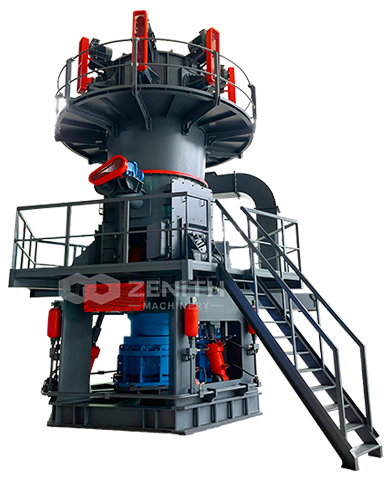
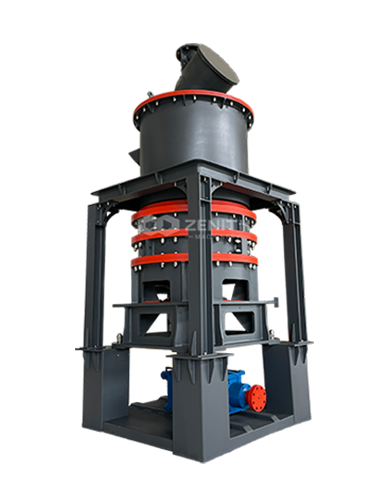
For high value added applications such as high strength gypsum and chemical fillers, Zenith LUM ultrafine vertical mill and XZM superfine powder mill form an ultrafine processing equipment group, flexibly accommodating high end projects of various production capacity scales. This equipment series supports precise fineness adjustment and meets multi scene processing demands in one-stop service.

Grinding fineness: 325-2500 meshProcessing capacity: 0.5-25 tph
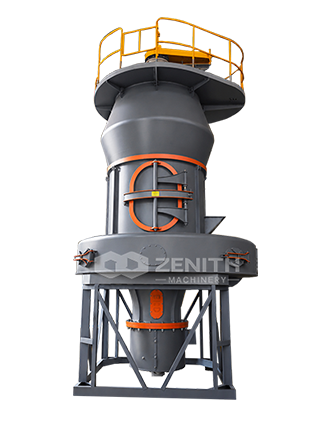
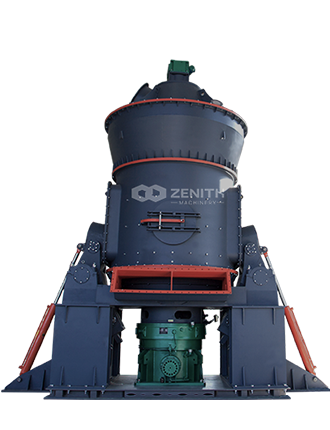
For bulk consumption scenarios such as cement retarders and building gypsum, Zenith PMD permanent magnet direct drive intelligent European trapezium mill and LM vertical roller mill constitute the core production capacity equipment portfolio. Boasting strong raw material adaptability, the machines allow flexible adjustment of operating parameters for different gypsum types including desulfurization gypsum and phosphogypsum. They stand for the cost effective option for large scale and low cost disposal of by-product gypsum.
Grinding fineness: 1.6mm-400 meshProcessing capacity: 6-320 tph
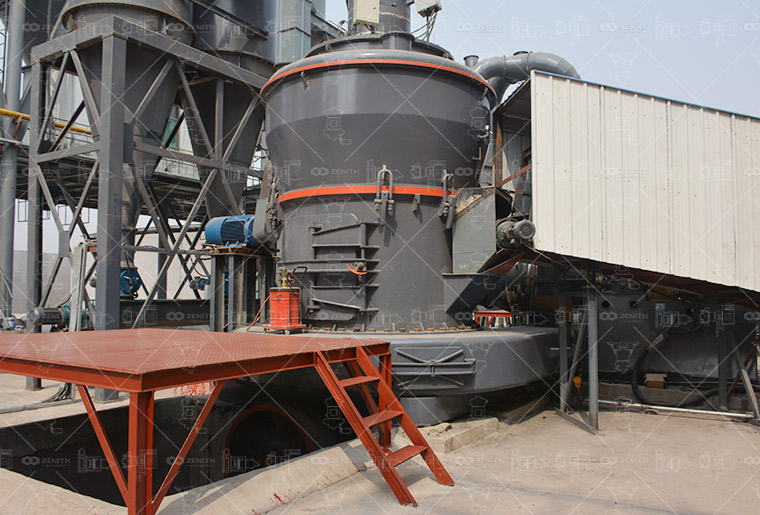
Material: Gypsum
Daily Operation: 10h
Input Size: ≤35mm
Output Size: 325mesh
Equipment: MTW European trapezium mill
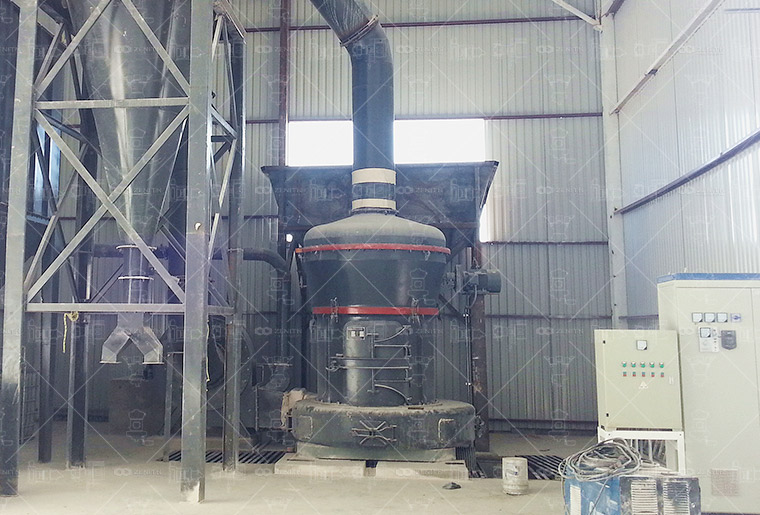
Material: Gypsum
Capacity: 60,000TPY
Input Size: <35mm
Output Size: 100mesh
Equipment: MTW European Trapezium Mill
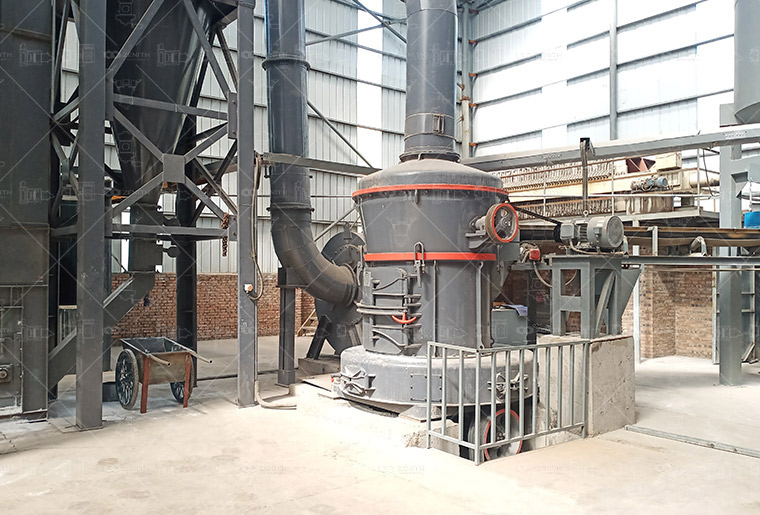
Material: Gypsum
Feeding Size: <30mm
Finished Product Size: 80-200 mesh
Capacity: 10-15t/h
Equipment: MTW Series European Mill
Fill your requirements here, and we'll send the custmized solution and quotation to you by the reserved contact information.
 Get A Quotation
 Chat Now
 Obter Uma Cotação
 WhatsApp